The Grooming Supplies Every Pet Owner Should Keep at Home
Pet stores have entire aisles of grooming gear, and most of it ends up in a drawer. The truth is that a small kit, matched to your pet's coat, covers almost everything you need between professional grooms. Here is what Lisa recommends owners keep at home, what each tool is for, and a few things to skip.
The core kit (every pet)
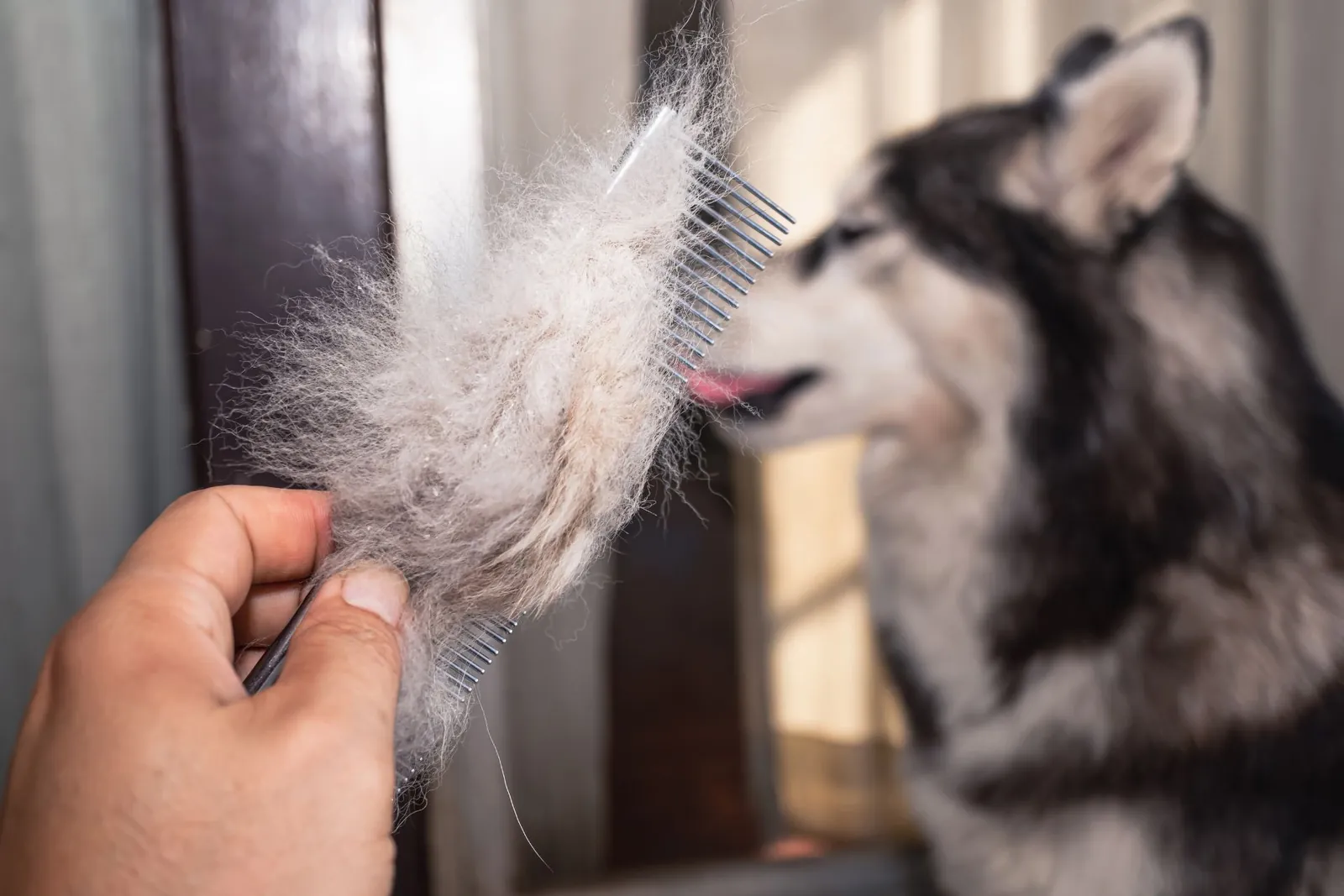
A metal comb
If you buy one tool, make it this. A sturdy metal comb with wide teeth on one end and finer teeth on the other lets you check for tangles all the way to the skin. If the comb glides through, the coat is in good shape. If it snags, you have found a spot that needs work.
Nail clippers or a grinder
Pick a size that matches your pet. Small scissor-style clippers work well for cats and small dogs. Larger dogs may need heavier clippers. Some owners prefer a grinder, which files the nail down gradually. Either way, keep the blades sharp, since dull clippers crush the nail instead of cutting cleanly.
Styptic powder
A small container of styptic powder stops bleeding fast if you nick the quick during a nail trim. Cornstarch works in a pinch.
Pet ear cleaner and cotton balls
Use a cleaner made for pets and wipe only what you can see. Skip cotton swabs, which can push debris deeper.
Pet toothbrush and pet toothpaste
Never use human toothpaste. Pet toothpaste is made to be swallowed and comes in flavors pets actually like.
Soft cloths or pet wipes
For eyes, faces, muddy paws and quick cleanups.
Treats
Seriously. Treats are what turn grooming from a chore into something your pet tolerates, or even enjoys.
Brushes matched to coat type
This is where most people go wrong. The right brush depends on the coat.
Curly and continuously growing coats
Poodles, Doodles, Bichons, Shih Tzus, Maltese, Yorkies.
- Slicker brush with fine wire pins. Use light pressure and brush in small sections from the skin out.
- Metal comb to check your work.
Double coats
Golden Retrievers, Huskies, German Shepherds, Aussies, Corgis, Pomeranians.
- Undercoat rake to pull out loose undercoat.
- Slicker brush for feathering, tail and the outer coat.
Be careful with aggressive de-shedding blades. Used too often or too hard, they can damage the outer coat or irritate skin. During big sheds, a professional de-shedding service clears more undercoat, more gently.
Short, smooth coats
Labs, Boxers, Beagles, Pit Bull types, Frenchies.
- Rubber curry brush or grooming mitt. Loosens dead hair and most dogs enjoy the massage.
- Soft bristle brush to finish and add shine.
Cats
- Long-haired cats: wide and fine tooth metal comb.
- Short-haired cats: a soft rubber brush or mitt.
Bath supplies (if you bathe at home)
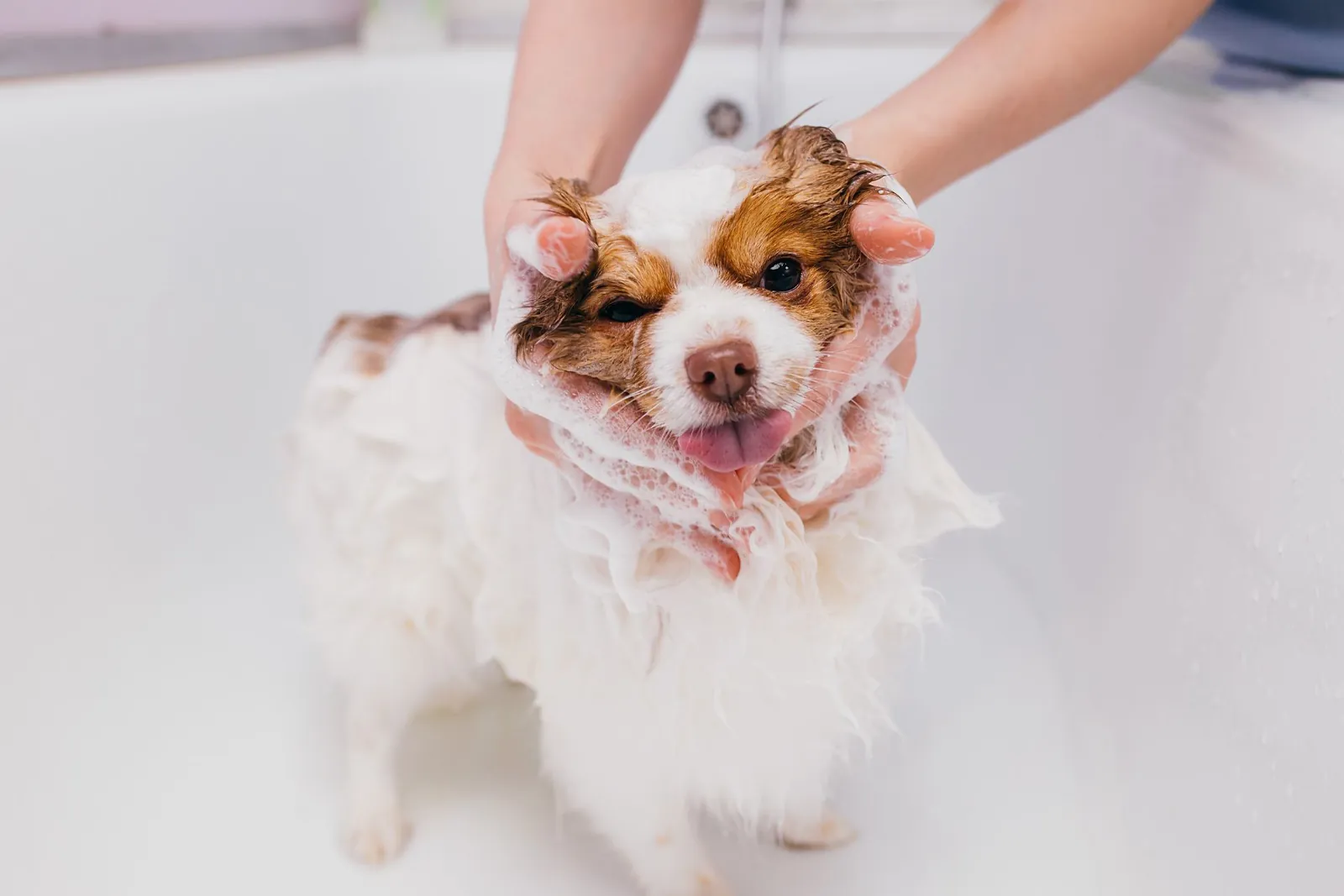
- Pet shampoo. Human shampoo can dry out pet skin. If your pet has a skin condition, ask your vet what to use.
- Conditioner for long or dry coats, especially in our dry Inland Empire air.
- Absorbent towels set aside just for the pet.
- A non-slip mat for the tub. Slipping is a big reason dogs panic in the bath.
- A cup or handheld sprayer for thorough rinsing. Leftover shampoo is a common cause of itchy skin.
Remember to brush out tangles before a bath. Water tightens knots into mats.
Seasonal extras for our area
- Spring: a flashlight for checking ears and between toes for foxtails after walks. If a foxtail looks embedded or your pet is shaking its head, sneezing hard or limping, see your vet.
- Summer: a portable water bowl for walks and outings. Hydration matters for skin and coat in the heat.
- Fall wind season: extra brushing time. Dry Santa Ana winds can leave coats staticky and skin flaky.
A starter kit by pet
If you want a quick shopping list, here is what Lisa would put in a basic kit for a few common pets:
- Doodle or Poodle: slicker brush, metal comb, nail clippers, styptic powder, ear cleaner.
- Golden or Husky: undercoat rake, slicker brush, nail clippers, styptic powder.
- Lab or Boxer: rubber curry brush, nail clippers or grinder, ear cleaner, wipes.
- Long-haired cat: metal comb, small cat clippers, soft cloths for the face.
- Short-haired cat: rubber brush or mitt, small cat clippers.
What to skip
- Scissors for mats. It is very easy to cut skin hidden in a mat. Leave mats for a professional.
- Clippers, unless you have been taught. Home clippers can overheat and cause burns or nicks in untrained hands.
- Human products. Shampoo, toothpaste and many human creams are not made for pets.
- Soft bristle brushes for curly coats. They skim the surface and miss the tangles underneath.
- Cotton swabs in ears.
Keeping tools in good shape
- Pull hair out of brushes after every use.
- Wash brushes and combs in warm soapy water every few weeks, then dry fully.
- Replace slicker brushes when the pins bend or the pad cracks.
- Keep clipper blades sharp, or replace them when they start to crush.
- Store everything together in one bin so it is easy to grab.
Where home tools stop and pro grooming starts
A home kit is for maintenance. It keeps the coat healthy and tangle-free between visits. Some jobs are better left to a professional:
- Haircuts and shaping, which come with a full haircut.
- Removing mats close to the skin.
- Nails on a pet who fights trims. A professional nail trim is quick and less stressful.
- Thorough ear cleaning for dogs with hairy or floppy ears.
- Sanitary trims and gland expression.
Need help choosing?
When Lisa grooms your pet, feel free to ask which tools would work best for your pet's coat. And when it is time for the next groom, fill out the quote form so she can come to you.
Quick Answers
What is the most important grooming tool to have at home?
A metal comb. It shows you whether the coat is tangle-free down to the skin, which is where mats start.
What brush is best for a Doodle?
A slicker brush followed by a metal comb. Brush in small sections from the skin out, and use the comb to check your work.
Can I use human shampoo on my pet?
It is best not to. Use a pet shampoo, and ask your vet what to use if your pet has a skin condition.