Pet Hygiene 101: The At-Home Basics That Keep Pets Healthy
A professional groom every few weeks does a lot, but your pet lives with you the other 40-plus days in between. The good news is that home hygiene does not take much time. A few minutes, a few times a week, covers most of it. Here is the routine Lisa recommends to clients, part by part.
Ears
Dogs with floppy ears (spaniels, Doodles, Basset Hounds, retrievers) and dogs with hairy ear canals are prone to trapped moisture and wax buildup. Cats tend to need less, but it is still worth a look.
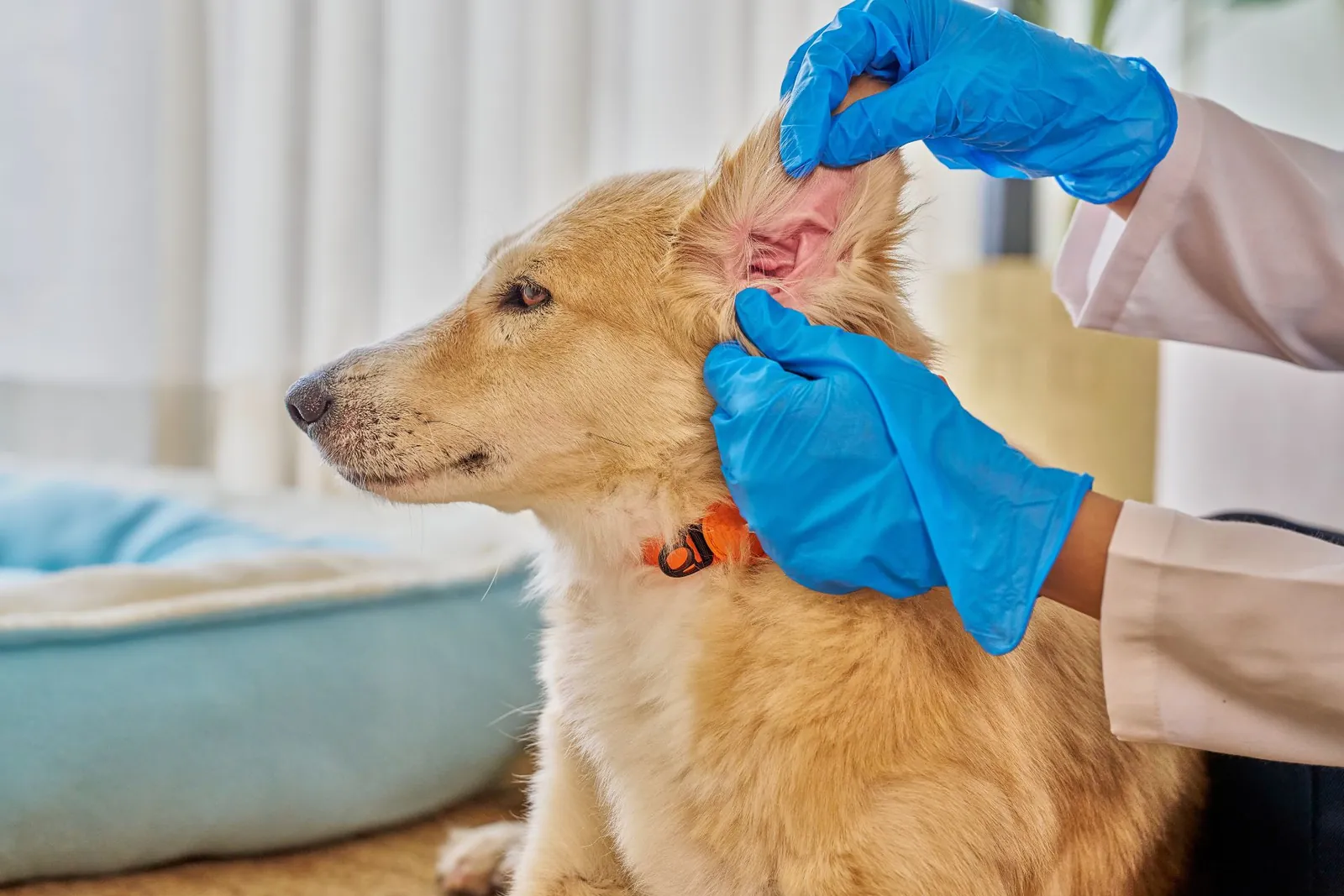
Weekly check
- Lift the ear flap and look inside. It should be light pink and fairly clean.
- Give it a sniff. A healthy ear has very little smell.
- Look for redness, dark buildup, swelling or discharge.
Cleaning
- Use a pet ear cleaner and a cotton ball or gauze. Wipe only the parts you can see.
- Never push cotton swabs down into the ear canal.
- Dry ears after baths and swimming.
Head shaking, scratching at the ears, a strong odor or a sore ear are reasons to see a vet. Routine ear cleaning is part of grooming, but it is not a treatment for infection.
Teeth
Dental care is a big part of overall health, and it is mostly an at-home job.
- Brush with a pet toothpaste (never human toothpaste) a few times a week if your pet allows it.
- Start slow: let them lick the paste off your finger, then rub the outside of the teeth for a few seconds.
- Watch for bad breath, red gums, broken teeth or trouble chewing, and talk to your vet about those.
Eyes
Flat-faced breeds like Shih Tzus, Pugs and Persian cats, and light-coated dogs like Maltese and Bichons, often get tear staining or crust in the corners of the eyes.
- Wipe gently with a soft, damp cloth, moving away from the eye.
- Keep hair around the eyes trimmed short so it does not poke or hold moisture. This is part of a professional groom for most haircut breeds.
- Squinting, redness, cloudiness or heavy discharge needs a vet visit.
Paws
Paws take a beating in the Inland Empire: hot pavement in summer, dry air, and foxtails every spring.
- Check between the toes and pads after walks, especially in spring.
- Walk early or late in summer. Test pavement with the back of your hand. If it is too hot for you to hold there, it is too hot for paws.
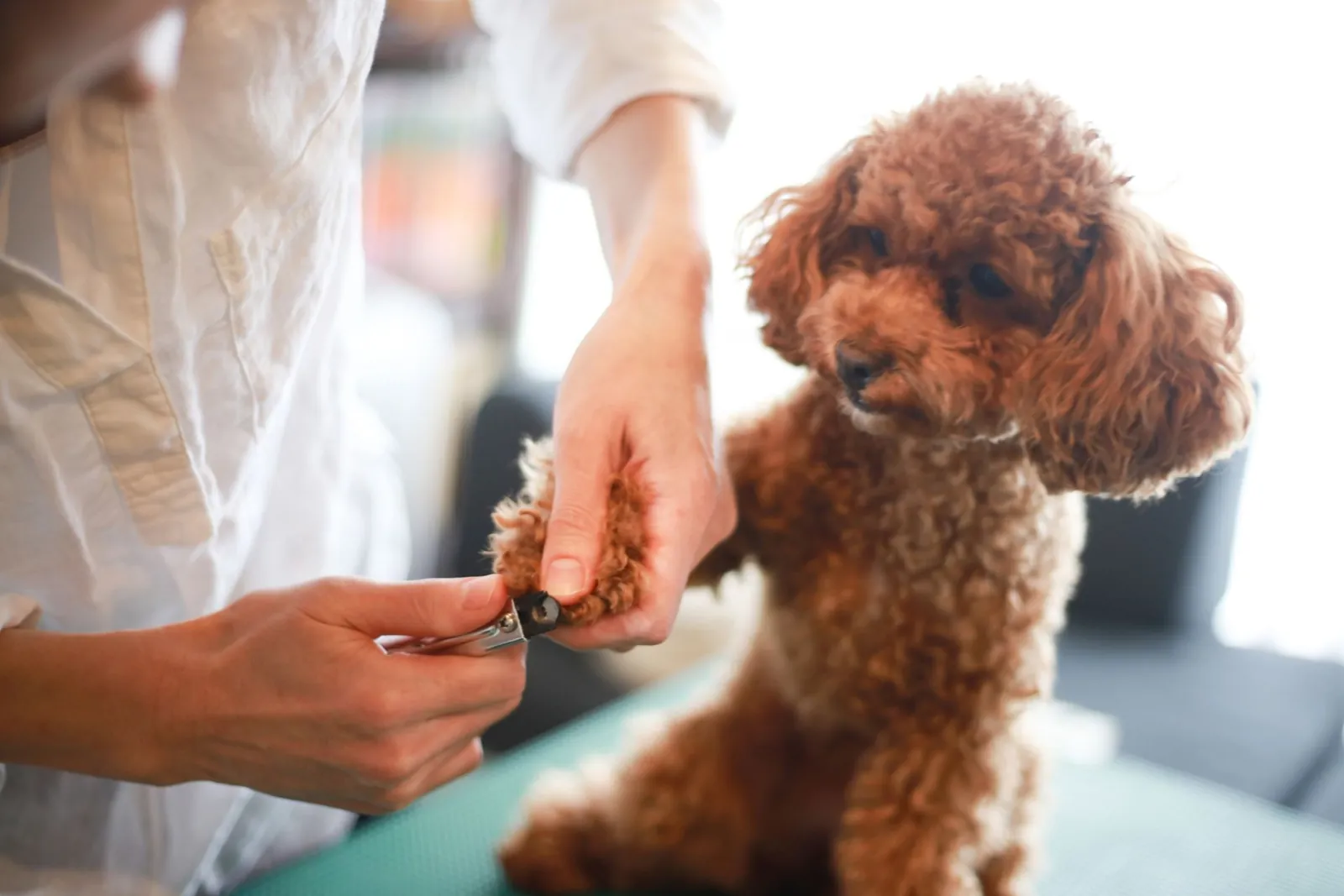
- Keep nails short. You should not hear clicking on hard floors. Nail trims every few weeks keep feet comfortable.
The back end
Nobody loves this part, but it matters for comfort and cleanliness.
Sanitary area
Long hair around the rear and belly can hold urine and stool, which leads to odor, matting and irritated skin. A sanitary trim keeps that area short and clean. It is especially helpful for long-coated breeds, older dogs, and long-haired cats who have trouble reaching back there.
Anal glands
Dogs have two small glands near the rear that usually empty on their own. Some dogs need help. Signs include scooting, licking the rear, or a fishy smell. Gland expression is available as a grooming service. If the area looks swollen, red or painful, or the issue keeps coming back, please see your vet.
Skin and coat
- Brush a few times a week. You will find mats, ticks, scabs and lumps much earlier.
- Bathe with pet shampoo only. Human products can dry out pet skin.
- Do not over-bathe at home. For most dogs, a bath every few weeks is plenty unless they get into something.
- Rinse thoroughly. Leftover shampoo is a common cause of itchy skin.
Bedding, bowls and collars
Hygiene is not only about the pet.
- Wash pet bedding every week or two.
- Wash food and water bowls daily. A slimy film builds up fast, especially in summer heat.
- Wash fabric collars and harnesses now and then. They hold a surprising amount of odor and oil.
- Scoop litter boxes daily and change litter regularly.
Cats: the same idea, with a lighter touch
Cats groom themselves, but they still need some help, and they are much less patient about it than most dogs.
- Brushing: short-haired cats a couple of times a week, long-haired cats daily if you can manage it. Focus on the belly, armpits and back legs.
- Nails: a trim every few weeks keeps them from snagging and protects your furniture.
- Back end: older and heavier cats often cannot reach their rear, so check for stuck litter or a messy coat.
- Short sessions: stop while your cat is still calm. Two minutes of brushing that ends well is better than ten that end in a scratch.
A greasy or clumpy coat on a cat who used to keep herself tidy can be a sign she is not feeling well. That is worth a call to your vet.
A simple weekly routine
- Monday: quick brush and paw check.
- Wednesday: ear check and wipe, eye wipe.
- Friday: teeth, plus another brush.
- Weekend: wash bowls and bedding, look over the back end.
That is about ten minutes spread across a week. Your pet's professional groom handles the deeper work every 4 to 6 weeks for most dogs, and no longer than 6 to 8 weeks for haircut breeds.
Let Lisa handle the hard parts
Nails, ears, sanitary trims and glands are the jobs most owners would rather not do. Lisa takes care of them one-on-one at your home. Request a quote and tell her which services your pet needs.
Quick Answers
How often should I clean my dog's ears?
Check them weekly and clean when you see wax or debris, plus after baths or swimming. Dogs with floppy or hairy ears usually need it more often.
Why is my dog scooting?
Scooting can mean the anal glands are full, but it can also have other causes. Gland expression is available as a grooming service, but see your vet if it keeps happening or the area looks sore.
Can I use human shampoo on my dog?
It is best not to. Human shampoo is made for different skin and can leave a dog's skin dry or irritated. Use a shampoo made for pets.