Calmer Grooming for Anxious, Senior and Reactive Pets

Some pets love the grooming shop. They trot in, greet everyone and come out wagging. Others start shaking the moment they see the car keys. If your pet is in the second group, you are not alone, and you are not doing anything wrong. Grooming asks a lot of an animal: being handled all over, loud dryers, water, strange smells, and being away from home.
Lisa has groomed in the Chino area since 2012, and a big share of her clients chose mobile grooming because their pet struggled somewhere else. Here is why a quiet, one-on-one setting helps, and what you can do to make grooming easier.
What makes grooming stressful
For most pets, stress comes from a stack of things, not one big thing:
- The car ride. Motion sickness or just the association with the vet.
- Noise. Barking, multiple dryers, clippers buzzing in the next station.
- Other animals. Especially for reactive dogs and almost all cats.
- Waiting in a kennel. Pets can spend hours waiting between steps or for pickup.
- Strange people. A different bather or groomer each visit.
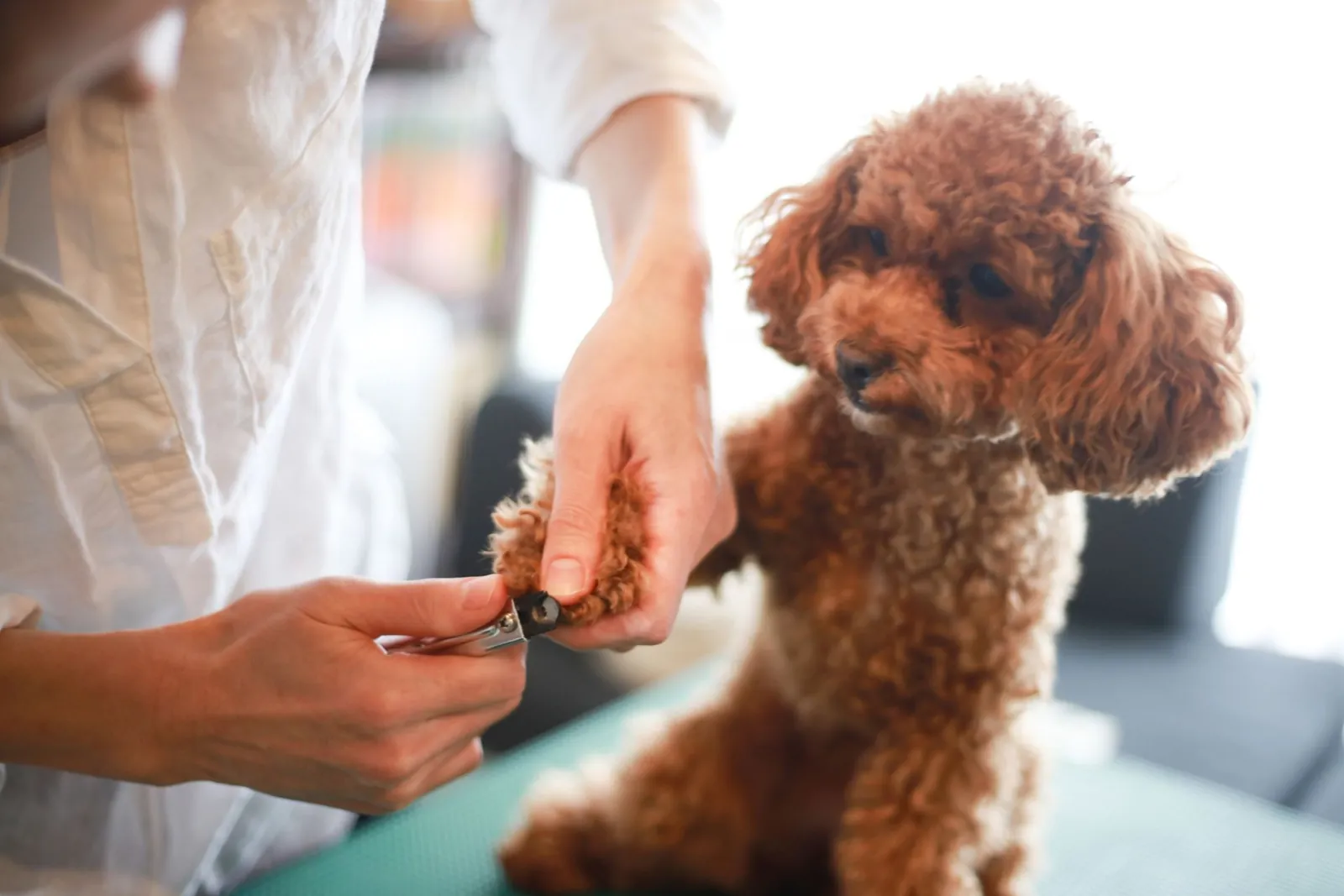
- Handling. Feet, ears, face and the back end are sensitive for many pets.
Mobile grooming removes most of the first five. That leaves just the grooming itself, which is far easier to work through on its own.
How a one-on-one setting helps
Anxious pets
No car ride, no lobby, no other animals. Your pet steps out the front door and into a quiet trailer with one person. When the groom is done, they are home in seconds. Many owners notice their pet bounces back much faster after a mobile groom.
Senior pets
Older dogs and cats often have stiff joints, weaker hearing or vision, and less patience for long days. In a one-on-one setting:
- There is no standing in a kennel for hours.
- Lisa can give breaks, support hips and go slowly.
- The total time away from home is just the groom itself, typically 1 to 2 hours depending on size and services.
If your senior has a health condition, check with your vet that grooming is OK, and share any limits with Lisa.
Reactive dogs
Dogs who bark, lunge or shut down around other dogs often do far better when there are no other animals at all. In Lisa's trailer, it is one pet at a time, every time.
Cats
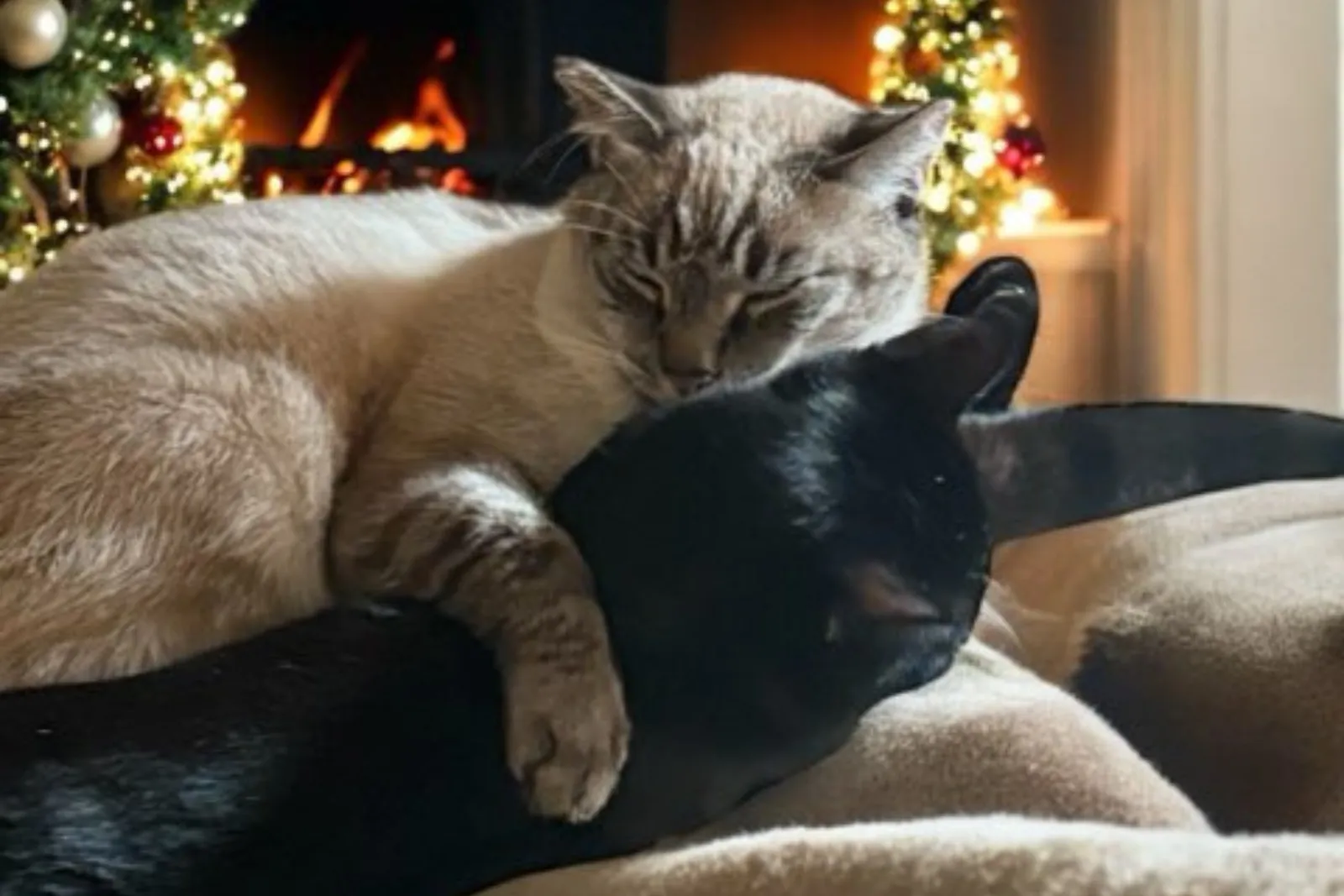
Cats are often more upset by travel and barking dogs than by the groom itself. Keeping them at home makes a big difference. See cat grooming for details.
Puppies
A puppy's early grooming experiences shape how they feel about it for years. Calm, short, positive first visits are an investment in a lifetime of easier grooms.
What the groomer can do
- Go at the pet's pace. Without a line of other dogs waiting, there is no rush.
- Take breaks. A pause for water or to let a dog stand down can reset a tense moment.
- Save the hard parts. If feet are the trigger, sometimes doing them later, when the dog is more settled, works better.
- Keep it consistent. Same groomer, same trailer, same routine. Pets learn what to expect.
- Know when to stop. If a pet is truly overwhelmed, finishing a groom at all costs is not the goal. Lisa will talk with you about options.
What you can do before the visit
- Practice handling at home. Touch paws, ears and face during calm moments and reward with treats. A minute a day helps.
- Brush regularly. Fewer tangles mean less pulling and a shorter, gentler groom.
- Stay on schedule. Regular nail trims and haircuts are quicker and easier than catching up after a long gap.
- Take your dog out to potty before Lisa arrives.
- Share everything. Triggers, past bad experiences, bite history, health conditions and touchy areas. This is not about judging your pet. It is about keeping everyone safe and planning the groom well.
- Ask your vet if your pet's anxiety is severe. Your vet may have suggestions, and any calming medication is a decision for you and your vet.
At the handoff
- Keep the goodbye short and cheerful. Pets pick up on our nerves.
- Avoid lots of "it's OK, it's OK" in a worried voice. A calm, normal tone works better.
- Stay reachable by phone, then let Lisa do her thing.
After the groom
- Offer water and a quiet spot to rest.
- Give a favorite treat or a short walk, so grooming ends with something good.
- Do not worry if your dog is a little sleepy. Grooming is real work for an anxious pet.
- Book the next visit. Consistency is what builds confidence over time.
Signs your pet is stressed
Learning your pet's stress signals helps you share useful details with your groomer and spot progress over time. Common signs include:
- Panting when it is not hot, or drooling.
- Yawning, lip licking or turning the head away.
- Tucked tail, ears pinned back, or whale eye (showing the whites of the eyes).
- Trembling, pacing or trying to hide.
- In cats: flattened ears, a low crouch, a lashing tail or hissing.
When those signs get smaller from one visit to the next, the routine is working.
Choosing a shorter, easier style
For some anxious pets, a shorter, simpler haircut means less time on the table and less brushing between visits. Talk to Lisa about a style that keeps your pet comfortable without a lot of fuss.
Calm grooming close to home
Lisa serves Chino, Chino Hills, Diamond Bar, Phillips Ranch, Upland, Claremont, Ontario and Eastvale, grooming dogs and cats of all breeds and sizes.
Let's make grooming easier
If grooming has been hard on your pet, it does not have to stay that way. Fill out the quote form and tell Lisa about your pet's history. She will reach out to plan a calm first visit.
Quick Answers
Is mobile grooming good for anxious dogs?
Many anxious dogs do much better with mobile grooming. There is no car ride, no other animals and no kennel time, just one-on-one grooming at home.
Can you groom an older dog with arthritis?
Lisa grooms many seniors and can work slowly with breaks. Check with your vet that grooming is OK and let Lisa know about any limits ahead of time.
Should I tell the groomer if my dog has bitten before?
Yes, always. Sharing bite history and triggers helps Lisa plan the groom safely for your pet and for her.